


January 27, 2023
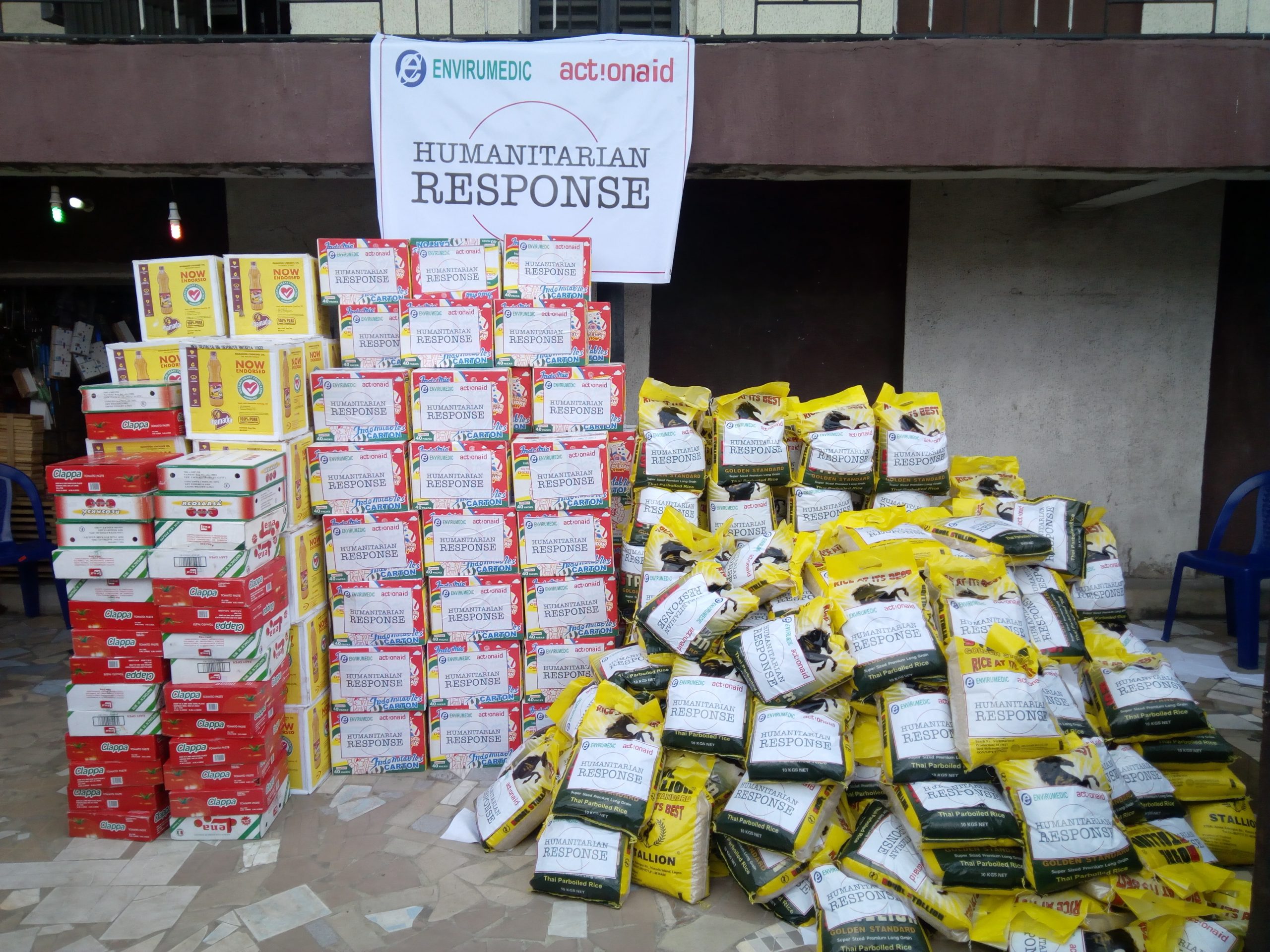
Advocacy visit to Agriculture MDAs
PROJECT DATE
PROJECT LOCATION
Akwa-Ibom & Delta State
In light of the above challenges, particularly that of policies targeted at investing maximally in the Agriculture sector for improved food security for the state and country at large, there is a need to engage the duty bearers of agriculture MDAs and other related stakeholders. This underscores the place of the Scaling-up Public Investment in Agriculture (SUPIA) project being implemented by ENVIRUMEDIC in collaboration with ActionAid Nigeria.
Furthermore, in the past years, smallholder women farmers have been mobilized and formed into cooperatives and networks in the state through the SUPIA Project known as Smallholders Women Farmer’s Network (SHOWFAN) at the local level and Small-scale Women Farmers Organization in Nigeria (SWOFON) at the state level to give more voice to farmers and further strengthen the network to be able to push for their issues more effectively for maximum impact. The advocacy engagement was to follow up on the previous commitments. Commitments were secured during the advocacy visit.
Community Scorecards Development/Social Audits on the Cassava Development Program of the DMANR
PROJECT DATE
January 27, 2023
PROJECT LOCATION
Akwa-Ibom & Delta State
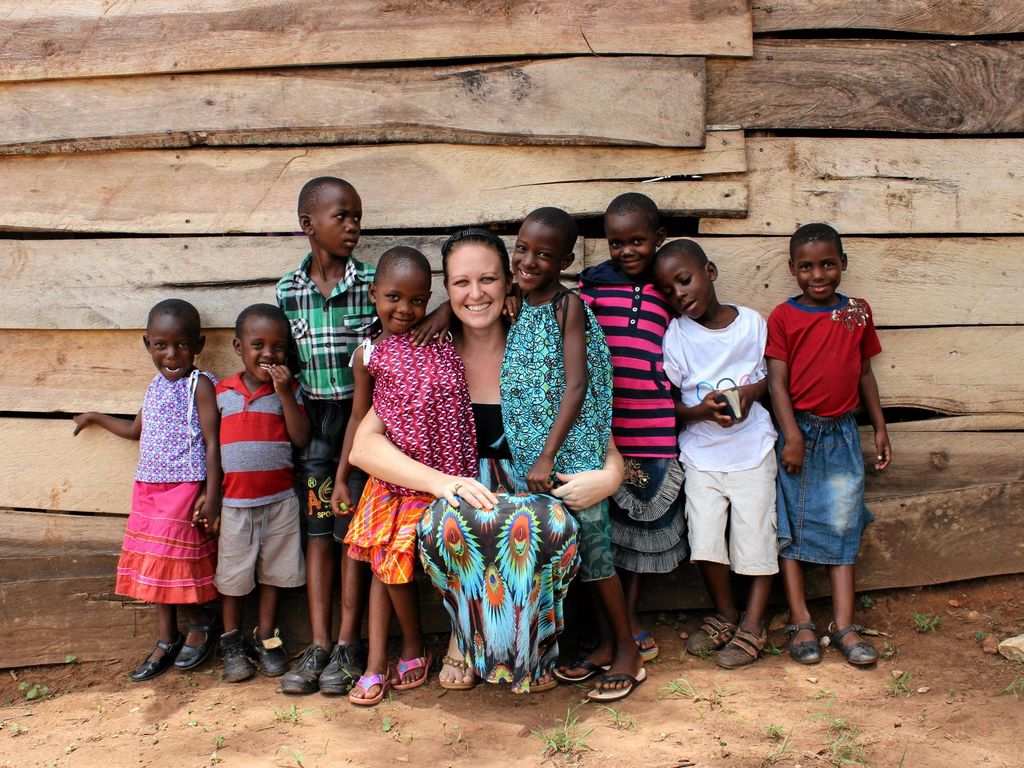
Cassava farming is the majorstay of farmers’ welfare in Delta State, contributing more than 75% of farmers’ livelihoods. However, among the project been implemented in the state’s MANR cassava development program is the chunk encompassing N500m of the ministry’s allocation from 2018 to date. To find out the program availability and relevance to farmers, most especially smallholder women farmers, a community scorecard was conducted to ascertain the extent to which it benefits farmers. 228 smallholder women farmers representing their various cooperative groups participated in the scorecard activity across 12 LGAs out of the 25 LGAs in the state. The scorecard result shows that 73 out of the 228 farmers benefited from the cassava development program.
155 participants were not aware of the program. The 73 participants who benefited from the program got the information from CSOs. Information about the programme was not well disseminated; as such, farmers had low knowledge about the programme as they were not part of its design. The benefited farmers only got cassava cuttings with no training. The process of accessing the program was simple for the beneficiaries. The benefit cuttings were inadequate, and the majority of them were bad before the distribution. The cuttings came after planting season but were free of charge.
